Introduction
Wound treatment is a crucial facet of nursing and medical practice that demands a high level of knowledge, specifically when taking care of complicated and chronic injuries. With the increase of problems such as diabetes mellitus and vascular conditions, the requirement for specialized wound treatment has never been more pressing. This post delves deep into advanced techniques in complex wound care, concentrating on training understandings for healthcare specialists. It covers numerous facets, consisting of wound care specialist training, nursing wound care training, and monitoring strategies for persistent wounds.
The journey towards ending up being a competent wound care expert includes extensive education and sensible experience. This post aims to provide not only thorough understandings into the approaches and practices of sophisticated injury care but additionally highlights the relevance of continuous knowing through different wound care training courses.
Understanding Complicated Wounds
What Are Facility Wounds?
Complex wounds are defined as those that do not recover properly or within an anticipated timeframe. They commonly occur from numerous aspects including underlying health and wellness conditions, poor flow, or infections. Unlike severe injuries that usually heal within weeks, intricate wounds can persist for months or perhaps years otherwise managed correctly.
Types of Complex Wounds
Diabetic Ulcers
Caused by extended high blood glucose levels impacting blood circulation and nerve function.
Venous Ulcers
Resulting from inappropriate functioning of venous valves in the legs, resulting in merging of blood.
Pressure Ulcers
Commonly referred to as bedsores; they establish as a result of prolonged pressure on the skin.
Arterial Ulcers
Brought on by insufficient blood flow to tissues due to narrowed arteries.
Challenges in Handling Complicated Wounds
Managing facility wounds offers distinct challenges:

- Infection Control: Keeping the injury without infection while promoting healing. Pain Administration: Many individuals experience considerable pain connected with their wounds. Nutritional Assistance: Guaranteeing that clients receive ample nutrition to advertise healing.
Wound Care Specialist Training
Importance of Specialized Training
Wound treatment requires specialized understanding and skills that surpass standard nursing education and learning. A thorough understanding of composition, physiology, and the recovery process is vital for efficient treatment.
Components of Wound Care Expert Training
Anatomy and Physiology- Understanding skin layers and their functions.
- Differentiating in between intense and persistent wounds.
- Learning exactly how to execute extensive assessments.
- Studying stages of wound healing (hemostasis, inflammation, proliferation, remodeling).
- Familiarizing oneself with dressings, medicines, and advanced therapies like adverse stress injury therapy (NPWT).
Wound Care Training for Nurses
Why Nurses Need Specialized Injury Care Training?
Nurses play an essential function in taking care of patient wounds properly. Specialized training outfits them with necessary skills to examine wounds precisely and carry out effective treatment plans.
Core Subjects in Nursing Wound Treatment Training
Assessment Skills
Training registered nurses to determine indicators of infection or complications.
Dressing Selection
Understanding which dressings are proper for different sorts of wounds.
Patient Education
Teaching clients concerning proper wound treatment at home.
Documentation Practices
Learning how to record assessments and treatments accurately.
Wound Care Training Courses Available
Overview of Readily available Courses
There are numerous courses available varying from basic wound care training to sophisticated specialist programs focused on experienced medical care professionals wanting to deepen their expertise.
Basic Wound Treatment Training
- Designed for entry-level healthcare providers. Covers basic principles such as composition, sorts of injuries, and basic clothing techniques.
Advanced Wound Care Qualification Programs
- Targeted at experienced nurses that desire to specialize further. Includes subjects like NPWT, bioengineered cells, and multidisciplinary approaches to wound management.
Nursing Wound Care Training: Trick Emphasis Areas
1. Evaluation Techniques
Accurate assessment is paramount in determining the appropriate therapy plan for complex wounds.
A Step-by-Step Guide:
Inspect the wound size using standard methods (e.g., determining tools). Evaluate bordering cells condition. Assess for indicators of infection (redness, heat). Document findings carefully for future reference.2. Evidence-Based Treatment Protocols
Using evidence-based techniques makes certain that registered nurses employ tried and tested methods in dealing with intricate injuries effectively.
Example Therapy Procedure:
|Treatment Technique|Sign|| ------------------------|-------------------------------------------------|| Hydrocolloid Dressings|For non-infected superficial ulcers|| Alginate Dressings|For moderate-to-heavy exudate|| Antimicrobial Dressings|For infected or at-risk locations|
Chronic Wound Care Management Strategies
1. Multidisciplinary Approach
Involving a group comprising physicians, nurses, dietitians, physiotherapists helps supply comprehensive treatment tailored to private client needs.
Benefits Include:
- Holistic person assessment. Coordinated treatment plans. Improved individual results through collective effort.
2. Patient-Centric Education
Empowering clients with understanding regarding their problems can boost involvement in self-care methods which might cause much better recovery outcomes.
Educational Techniques:
- Provide easy-to-understand material regarding their condition. Conduct workshops discussing ideal practices in home care. Encourage inquiries about drugs or way of living changes related to recovery processes.
NDIS Injury Treatment Considerations
The National Handicap Insurance policy System (NDIS) addresses details requirements connected to impairment assistance including facility injury administration approaches tailored for people requiring recurring support with their wellness needs.
Importance in NDIS:
Accessing specialized solutions can considerably enhance recovery outcomes. Tailored assistance plans ensure that individuals get personalized attention throughout their recuperation journey. Ongoing education pertaining to self-management cultivates freedom among customers gaining from NDIS services.Advanced Techniques in Complex Wound Care: Arising Trends
As innovation develops so does the field of injury management-- cutting-edge items continue reshaping standard approaches while also boosting healing processes dramatically!

Emerging Technologies:
1) Bioengineered Skin Substitutes
- Used largely in serious burns or diabetic person abscess where conventional treatments have stopped working; these substitutes promote quicker regeneration by mimicking natural skin properties!
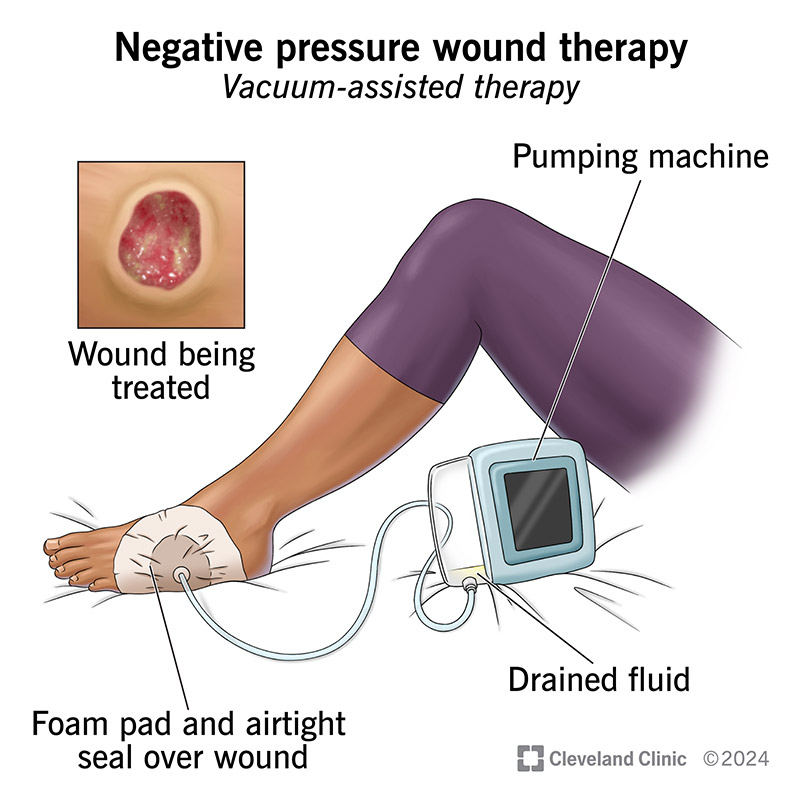
2) Negative Pressure Wound Therapy (NPWT)
- Utilizes suction technology motivating granulation cells growth while removing excess exudate-- frequently applied post-surgery or after trauma!
3) Telemedicine
- Facilitates remote consultations enabling professionals access without geographical restrictions! People profit substantially who may or else battle accessing top quality medical care solutions due physical distance!
FAQs About Advanced Techniques in Complicated Wound Care
1) What is involved in standard wound treatment training?
Basic wound care training covers necessary topics such as types of wounds, initial analysis strategies, clothing option based upon exudate levels-- all created for entry-level practitioners!
2) How much time does it require to come to be a licensed wound treatment specialist?
Certification programs commonly require several weeks/months depending upon training course intricacy; most involve both theoretical coursework along with functional assessments making sure participants gain direct experience!
3) Is there certain training readily available with NDIS?
Yes! NDIS provides customized programs concentrating on chronic problems basic wound management training requiring ongoing assistance consisting of specialized trainings targeting caregivers helping with improved outcomes amongst customers needing assistance managing facility scenarios effectively!
4) Why must nurses go after extra certifications in sophisticated techniques?
Pursuing additional certifications boosts skill sets enabling them address complexities integral within varied populations producing desirable results through recognized protocols leading enhanced overall individual contentment prices across settings!
5) What are some usual misconceptions concerning chronic injury management?
One false impression suggests all chronic injuries will recover given adequate time-- nevertheless numerous need intervention using evidence-based techniques along with regular tracking making certain ideal recovery straightened preferred outcomes achieved!
6) How can telemedicine enhance accessibility for patients requiring innovative treatments?
Telemedicine allows professionals get in touch with from another location decreasing traveling burdens while enhancing availability giving prompt evaluations leading much better informed choices concerning personalized therapy intends ultimately elevating top quality life individuals experiencing considerable difficulties taking care of conditions effectively!
Conclusion
Addressing intricate wounds needs specialized knowledge backed by durable training frameworks designed specifically gear up health care specialists deal with complexities connected managing tough instances confidently! Continual innovations innovations along with consolidation finest practices guarantee ideal healing outcomes recognized fostering much healthier lives among affected individuals browsing barriers provided via varied hidden aspects adding advancement intricacies ran into regularly!
Through devoted efforts committed towards developing skills using extensive academic opportunities available today-- from fundamental basics via specialist degree accreditations-- health care employees positioned encourage themselves boost capabilities offer those entrusted under their careful support fostering stronger area bonds built upon strength in the middle of adversity encountered daily by many people fighting relentless health issues stemming complexities associated injuries received over time!